Graphics Library
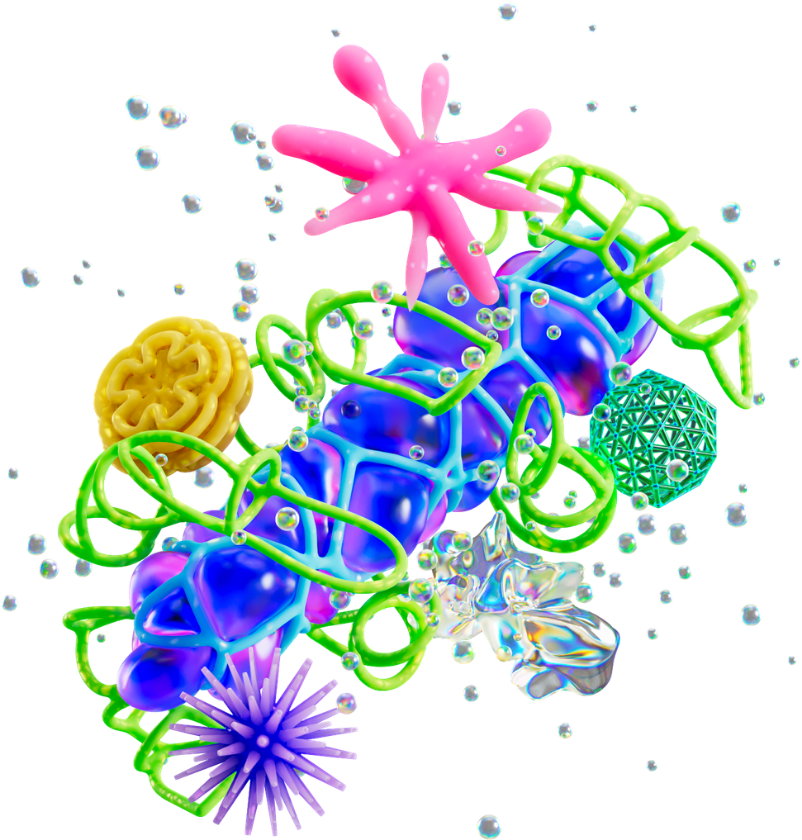
Canva's graphics library was big — but it wasn't good. Assets defaulted to dated corporate styles and basic vectors that designers scrolled past rather than reached for. The library had volume without vision.
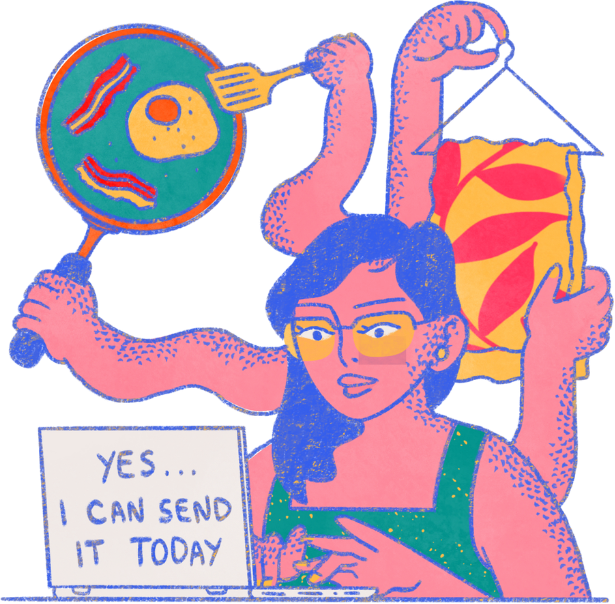
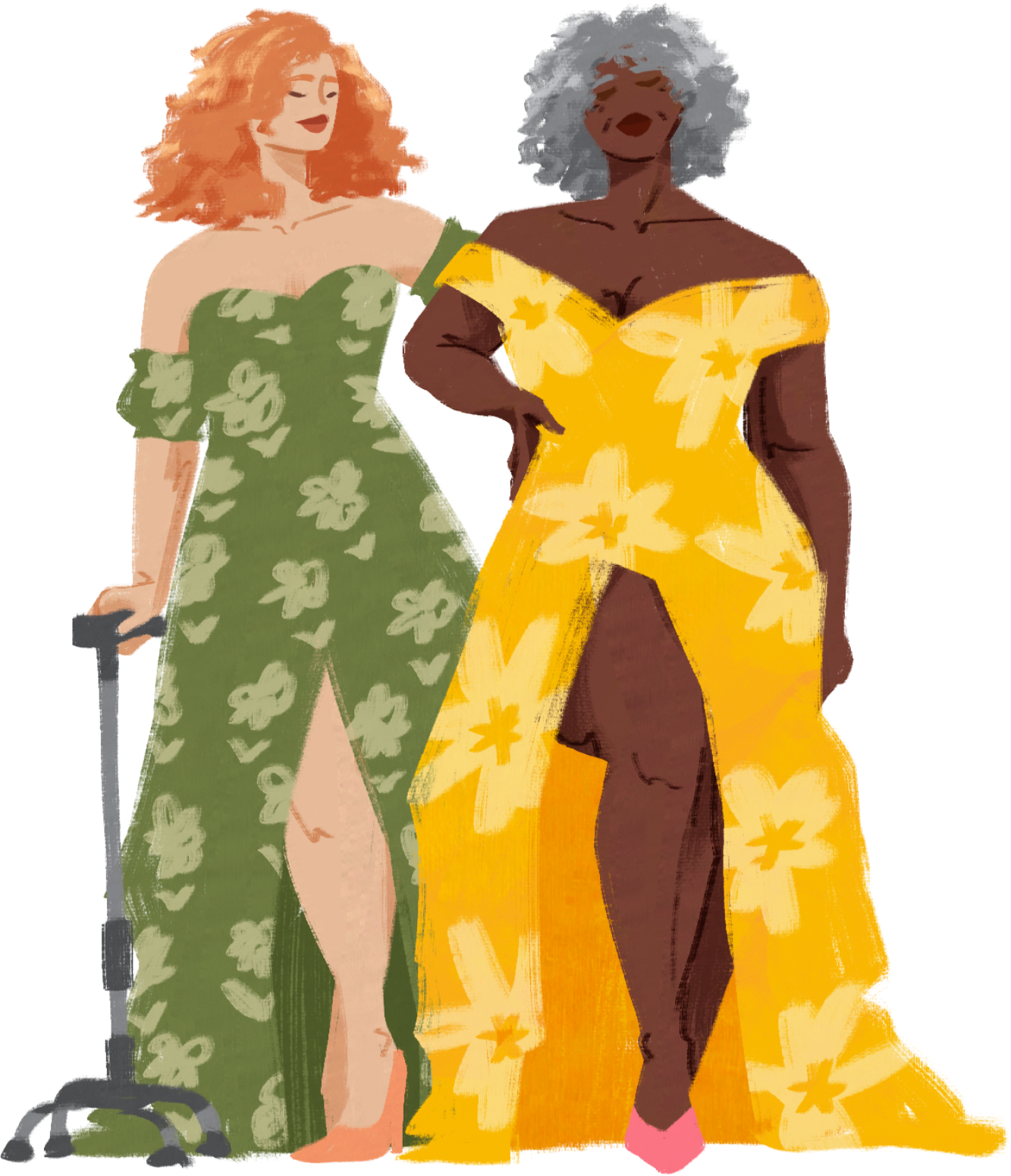
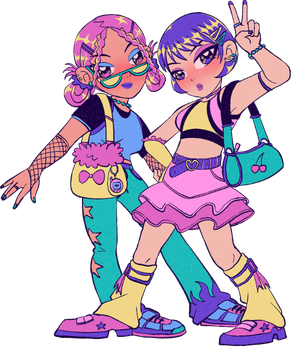
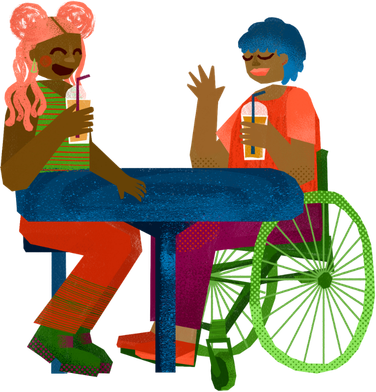
I built the quality standards from scratch, defining what it meant for a graphic to be genuinely library-worthy — not just technically clean, but stylistically relevant, diverse, and designed to last. I led the research and trend forecasting that shaped the creative direction, expanding the range of styles based on where design culture was heading, not where it had been. Representation became a core pillar: spanning age, body type, disability, gender, locale, and occupation — because a library used by hundreds of millions of people had a responsibility to reflect them.
All of this happened while building and mentoring the team of creatives who brought it to life — hiring, developing talent, managing contractors, and keeping production moving at scale. The transformation grew output by 500% without compromising the standard: more assets, but none that didn't belong.
The graphics library became a resource designers actively reached for, not one they tolerated. That foundation later became the basis for Canva's first AI-generated content pilot, extending the same quality standards into a new production frontier.